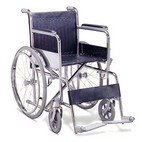
Wednesday, 6 June 2007

Canadian Vs American Health Care Systems

Canadian Vs American Health Systems

* * *
Image Hosted by ImageShack.us

Americans are often heard to be envious of the Canadian Socialized Health System and on the surface it may appear we have the better deal. But what happens when you look at the systems from a somewhat different angle?

Americans do not have a universal socialized health care system therefore they must find the finances to pay for medical expenses out of their own pocket. They can obtain medical coverage either through a private insurance plan or through their employer. The insurance provider or HMO (Health Maintenance Organization) might dictate which doctors, labs and hospitals are accessible to the patient. Pre-disposing illnesses could disqualify someone from obtaining coverage and acquiring a major illness may lead to non-renewal of the policy. U.S. hospitals are for the most part private. Many lower income citizens, who may need the services most, often suffer poor health or the consequences of untreated illnesses because the price of insurance is out of reach. No money up front - No treatment!
Image Hosted by ImageShack.us
Canada has a universal socialized health care system which is paid for by the citizens of via taxation by the Canadian government. Everything from routine visits to the doctor’s office to major transplant surgeries are covered. The ailing citizen never has to show his wallet in order to receive heath care. There are, of course, conditions. In general, medical expenses are covered for all services and procedures required to maintain or restore a reasonable level of health. Many cosmetic and some elective procedures are not covered. For other medical necessities such as vision, hearing or dentistry, private insurance is available privately or through one’s employer. This extended insurance might also cover items such as ambulatory braces, home oxygen, drugs to wheelchairs.

Let there be no misunderstanding, in a life altering illness such as my paraplegia, there are plenty of expenses not covered by any system thereby falling on my own shoulders for payment.

With aging “Baby Boomers”, the Canadian health system is becoming overwhelmed by the shear number of patients requiring treatment. Cutting edge technologies are expensive so too few sites have the equipment or the expertise in these procedures. Where applicable, some patients are already being sent to the U.S. for treatment. This increasingly greater backlog has helped create a hotly debated controversy.

Should Canadians be treated equally and only have access to the current Canadian social medical system as our source of health care? The argument is that private (medicine for profit) clinics create a “two tier” system where the more affluent citizens will be able to afford better and more timely health care than those with more limited incomes.

The government is fighting private clinics and the so called “two tier” system tooth and nail. But the fact remains that Canada has always had a “two tier system”. Does anyone believe that some professional star athlete has to wait months or even years for knee surgery? Do you think that politicians wait in line for MRIs or knee replacements? No, they go to the head of the line or have procedures paid for when treated out of the country.

Are patients who have the financial means and willing to pay and additional fee for faster service unfair for jumping the queue? Is it unfair to the less affluent public? The fear lies in the belief that once the crack between public & private health care is created, the chasm separating the two will steadily increase with intellectual and monetary investment gravitating to the private sector. On the other hand, by diverting the paying customers, private ’pay for service’ clinics may open up more spaces and speed up wait times for those who will still rely on the public social health care system.

The question now is “which system is better? The American or Canadian?”

Far from being a socialist, there are several services I do believe should be universally accessible for a nation’s citizens. Education and Health Care are two of the most important. All citizens should have unhindered access to a robust basic education and no one should have to show their wallet in order to receive medical treatment Without your health, you have nothing!

While at the Rehabilitation Hospital I noted that the gymnasium closed down during lunch hour, late afternoons on weekdays and on weekends. The equipment sat idle as did the patients, which seemed like a waste of resources and taxpayer’s money alike. Inpatients were delayed receiving some of the treatment necessary to return to society and get off of the healthcare budget.

Chatting with a nurse during one of those weekend ‘lockdowns’ we discussed this situation. The nurse commented that “yeah, we need competition as an incentive to improve”. That comment rang true.

With the American ‘pay for service’ system, each hospital vies for your healthcare dollar by being better than it’s so called ‘competitor’. As the private system exists for profit, it’s auditors are diligent in making sure waste is cut and money well spent. Yet success depends on attracting patients to their facility so they try to attract the best doctors and offer the best health care programs possible. Competition drives development, innovation and excellency.

In Canada, each procedure has a cost associated with it and every doctor and institution gets reimbursed the same amount by the government. Why improve when they all receive the same payment for services rendered. One hospital is about the same as the next to patients. Hospitals, like some ‘fast food’ outlet, offer you the same ’medical burger’ regardless of what part of the country you are in.

In the U.S. hospitals such as Rochester Minnesota’s Mayo Clinic, Boston’s Brigham & Woman’s Hospital, Buffalo’s Roswell Park Cancer Center or Los Angeles’ Cedars-Sinai hospitals are noted for their excellence and have a patients continually investigating them over others when faced with potentially life altering ailments.

So the question remains. Which is better? A system which has a tremendous backlog of patients waiting for services in an institution that has no real drive to improve yet patient expenses are covered by the government. Or is it a “show me the money” system which many cannot afford but watches its budget while encouraging excellence?

The jury is still out….
* * *

Speaking to my rehab physiotherapist, I learned that the spinal cord rehabilitation program used to treat individual inpatients up to a year before being released into the community. In an attempt to save money, services were cut back to where, in my case, I received specific therapy for my injury for just over three months. Although I had my fill of hospitals for a lifetime, in truth I could have benefited from a much longer stay. The majority of my therapy was directed at undoing the damage created by being in limbo - bed-bound for over three months. Just when motion in my limbs was returning, I was discharged..

The question arises. Which is more cost efficient? Discharging a patient as soon as medically possible or keeping a patient as long as necessary to maximize whatever recovery they may achieve? In my opinion it would benefit the government, private extended health care insurers and patient alike to achieve the maximum recovery so as the person can return as a productive member of the workforce and not a recovering invalid in the community.

* * *

Tuesday, 17 April 2007

Strategy VS Insensitivity?

*
Strategy Vs Insensitivity


* * *

“You’ll never walk again”. The sentence I never wanted to hear was delivered to me not once, but on two occasions by two different doctors. Totally vulnerable in this life altering situation, the words burned into my soul as the blood drained from my face. Yet this monumental news was on both occasions delivered to me in a detached, cold, matter of fact manner. Ho-Hum, on to the next patient. Perhaps dealing with spinal cord injury patients on a daily, weekly and yearly basis had separated the compassion from the doctor? Perhaps compassion was another department, and the responsibility of another health care professional? Next!

And lets face it, doctors are never wrong!

It started me wondering if this “get over it” attitude was truly insensitivity or some strategy used by the health care providers involved with spinal cord injury patients.

Is there strategy behind being outright blunt and telling a person that they will never walk again? This approach might provide two outcomes. The patient may be thrown into a period of self pity and mourning but then turn the corner and more quickly accept their situation. Seeing the light at the end of the tunnel might allow the patient to better participate in their recovery.

On the other hand, the patient may be reaching for some ray of hope to cling on to thereby providing an incentive to try and participate in one’s own recovery. This blunt and absolute negativity could dash any incentive and cause the patient sink into deep despair.

So, is the bedside manner truly a reflection of the humanity present behind that white coat and stethoscope? Or is there some actual strategy or psychology practiced by doctors in this field.

My perception was that the job had become so routine for these doctors that they had no time to waste on compassion.

Patients as doctors can posses an infinite range of personalities. At the rehabilitation hospital I met a variety of people with injuries similar to my own. Some laughed and joked while eagerly discussing and comparing injuries with others. On the other hand, I recall one fellow I briefly roomed with that was dressed, placed in his wheelchair only to wheel himself perpendicular to his bed and bury his head in the sheets. There he would sit for hours, rocking and moaning. My heart went out to him. My strength lay somewhere in the middle and would (and still does) fluctuate from “I’m going to fight this thing with all I have” to…….well, let’s not go there,,,,,,,

So what is the best approach? I never wanted sympathy but I didn’t want the door slammed on my hopes and dreams either. Leave it slightly ajar. I would have preferred hearing “we just don’t know”, but that is something you will never hear a doctor say.

To all those facing a life altering situation such as mine, I can only offer encouragement. Try!!! Having worked with doctors professionally on a daily basis I can tell you without hesitation that doctors do not know everything, and some actually know very little.

But that is their secret.


Addenum: Still nervous about being shot down emotionally if I was to reveal my newly acquired motion to one of my doctors, I took the chance and raised my foot, deliberately and steadily from my leg support. It was great watching his jaw drop!

Image Hosted by ImageShack.us

Maybe Someday

* * *

Tuesday, 20 March 2007

Sensations & Therapy

*
Sensations & Therapy

(The Progression after Injury)

* * *
My first realization that something was terribly wrong was on waking from a foggy haze and finding that my legs would not respond to my commands. There was no pain, no apparent fever from the infection - nothing out of the ordinary except the lack of motion.

My memory is understandably foggy during that time as I was quite sick as determined by urine and blood cultures at the community hospital. The haze continued to waft in and out as I was transferred to a major Toronto hospital’s intensive care unit. I do not remember the ambulance trip there but regained some lucidness in my hospital room and presumably days later when asked to sign the usual paper work prior to my impending surgery. Empirical antibiotic treatment had been initiated with Gentamicin and Vancomycin in an attempt to eradicate whatever bacterium had invaded my system. These extremely potent antimicrobials started to shut my kidneys down while attacking the bacteria. The antibiotic was “fine tuned” to Cloxacillin and kidney function returned over time.

Post surgery was pure agony as I lived in a state of purgatory - between painful consciousness and a morphine induced hell. Consciousness brought a searing burning pain in my torso where the surgery had excised the abscesses. I had a morphine pump which I could activate to deliver more morphine (to the maximum allowed) but in doing so I was turning on extremely realistic and disturbingly vivid hallucinations with every push of the button. Death would have been welcomed at this time. I was also prescribed Gabapenin in an attempt to counter the burning pain but cannot say it was all that effective in the early days of recovery, My toes still refused to move.

Transferred from ‘Critical Care’ to ‘Intensive Care’ (as a medical health worker I remain unsure of the distinction) I continued to feel like living hell as pain and lucidness continued to poke through the haze. Full of drainage tubes and IV’s I ingested and was injected with supplements, electrolytes and antibiotics. I was aware that post surgery there would be a restriction of fluid intake, but in my mind that period seemed to last an eternity. I cannot even begin to describe my agonizingly intense thirst. I was allowed some water, sodium free soda water and orange juice in what I felt were extremely limited amounts and in my foggy mind extended far longer than necessary. I somewhat recall begging for, then trying to bribe a nurse to run down and buy me a cola from a vending machine. No luck.

Days turned into weeks as I began to spend more time conscious rather than in my hallucinatory world. Still no motion in my lower limbs. I was annoyed by this churning motion in the center of my back and asked the nurse to turn off the beds massage unit. I have no idea what response I got, but later realized that the churning sensation was due to the emergence of muscle spasms, common in spinal cord injuries.

It was probably for the best that these weeks remain on the recesses of my memory.
Alone in a semi-private room with a roommate somewhere equally as ill, I was a prisoner to my fears and thoughts. Hours of thoughts in my virtual isolation. I will always recall one sunny summer’s day when the rays were actually penetrating my dirty window, I could look out to a housing complex where children were laughing and splashing away in a community pool. How I wanted to join them.

I had recovered sufficiently in terms of medical parameters that I could be transferred back to my originating hospital for further recuperation and await an opening al a facility specializing in spinal injury rehabilitation. I continued to receive electrolytes and antibiotics while bed bound for an additional six weeks. Some limited physiotherapy was initiated bedside but this was limited to stretching.

At this point I was free of all sensation from mid chest down to the toes. Nothing! Spasms continued, not in my back but in my legs. It was almost amusing at first where I could scratch my leg and have it jump. Soon these spasms were to increase to the point where they were with me from waking at dawn to passing out after midnight. My legs would produce and involuntary jerk sometimes hourly and sometimes every few seconds daylong. Extremely annoying when trying to read as the book would jump around with every spasm. I was still too foggy to read anyways as post injury my concentration could not be directed at any task for any length of time.

Still no sensations but when sat upright without support in physiotherapy I realized that my abdominal muscles were truly gone when I would flop over like a rag doll or ‘bobble-head’ doll with the spring in the torso

Late one evening in October, illuminated only by the flicker of the overhead TV screen, I thought I notice a flicker of movement in my knees. Was that me? Or was it just the light playing tricks with my vision? No, I think they moved at will!! On waking the following morning, I tried to squeeze my knees together and yes, it was still there - a slight movement!! For reasons explained in another post, I decided to keep this discovery to myself.

I was discharged a week or two later and sent home. I had mixed emotions. At the hospital I had the run of the grounds and could find sanctuary in a tiny garden where I could read and hide from the hub-bub of the world. Delighted to be home, surrounded by familiar possessions and the love of my wife, I still felt like a prisoner. My “cell” was a thirty foot run between my living room which had been turned into my bedroom and the family room. I had TV and a computer in both rooms. Still the walls seemed to close in around me as did the winter.

I continued to try to move my lower limbs and found that my strength and range of motion improved weekly. I had a CACC (1) regional home physiotherapist assigned to me who was the first real positive and encouraging individual I encountered. With her instruction, additional exercises were added to my regime.

I found it amusing that I could not see the changes occurring within myself as well as others could. I had improved enough that there was not much more I could do by myself at home. Four months after seeing that barely perceptible flicker of movement in my legs, I could now do the “scissors” with my legs, bring my heels back while raising my knees when lying on my back. In the wheelchair I could now lift my feet off of the support and extend them straight out. Up and down, up and down, up and down - God it felt good!!
Yes, felt! Sensations had returned in varying degrees. While institutionalized, I could not feel, or had a patchy sensation from about my waste down. Now I could feel a touch right down to my ankles. Some sensations were hyper-sensitive. I could feel every hair on my leg fire if a breeze blew over my legs or the bed sheet was pulled up. I was confused. It was great to feel again, but this altered sensation and sometimes intensity was discomforting. Along with the return of sensation and motion was the presence of a burning or pins & needles sensation attributed to “nerve pain”. It can extend from the knees on downward or just from the ankles down depending on the day. Like having your feet dipped in very hot water. Gabapentin was prescribed to counter this but the sensation remains.

Needing something more challenging than home physiotherapy, I had the good fortune of being “fast tracked” as a hospital employee into the physiotherapy unit of my own hospital. I was delighted to be assigned to an aggressive therapist who was knowledgeable, positive and encouraging.

I had started out with two one hour sessions per week but that has now increased to four sessions per week. Tuesdays and Wednesdays I receive “one on one” assistance and therapy on a variety of apparatus. Wednesdays I follow a self directed exercise program under the eye of the physiotherapist. Now a fourth session has been added on Fridays where I receive water therapy in the pool.

My spasms have diminished significantly allowing me to use a ‘Moto-Ped’ assisted bicycle. With my feet strapped in, the cycle can be set to move my feet at various speeds and apply various resistance/pressure. As I had regained some movement I could actively peddle the cycle reaching about 80 rpm on my own. I now peddle the equivalent of 14 Km in about the 30 minutes I set the timer for. This cycle gets the blood flowing through the limbs and perhaps helps to reinforce the signal connecting the limbs to the brain. Next I do about 20 minutes on the ‘Hand Cycle’ which again helps to raise metabolism, strengthen the upper body and just get the blood flowing. Weights and pulleys follow, again to increase upper body strength which helps in transferring.

During assisted physiotherapy I get a variety of exercises with a variety of contraptions. The most recent change I have noticed is that my abdominal muscles have recovered quickly and substantially, again, almost to the point of discomfort. Perhaps I just have to become reacquainted with sensations I hadn’t experienced for about a year now.
I also have been placed on a “Tilt Table” which raises me mechanically from a lying position to a near standing position. This places body weight on the tendons and stretches them out as months of inactivity has caused them to contract. I also was introduced to a “Standing Frame” where the wheelchair rolls up to the apparatus and a sling is placed under the buttocks. A counterweight is added to somewhat counter my own weight. When set up I can use my leg muscles, assisted somewhat with my arm muscles to raise to a standing position. Now I can alternately stand and sit using this frame, exercising my both my leg muscles and stretching out my Achilles tendons. I do feel wobbly laterally when standing. Obviously there is much more work to be done.

Having only one session in the pool, I can only describe it as a bit of heaven in the daily hell I have experienced. Not being able to turn by myself on my narrow bed, and sitting on my butt all day in the wheelchair, creates an indescribable agony. Shifting releases the pressure momentarily but offers no long term relief, In the pool I am freed. As a canoeist with miles of wilderness rivers under my belt, I am completely at ease with water. Lowered into the pool, there was immediate relief from the pressure. I felt so at ease that I could use all my limbs and swim the length of the pool. Wonderful! It was over far too soon. Getting redressed while wet in foreign facilities is a challenge.

So now, nearing the one year anniversary of my illness and surgery, I have regained a substantial amount of movement in my afflicted limbs. The damage was not symmetrical as one side can accomplish some movements easier than the other depending on the motion. Some motions are smooth as butter and easily controlled. A few are jerky. Spasms have subsided to the point that I have cut back on my medication (Baclafin) and they usually reappear in the evening regardless if sitting or lying in bed. Spasms are often preceded by a few seconds with what feels like a pin prick and not always at the site of the spasm itself. Skin sensitivity still extends down to the ankles but is somewhat altered from what I recall was normal and the hair receptors still seem to be hyper sensitive, firing with the lightest stimulation. I am still experiencing nerve pain which can best be described as a burning or pins & needles sensation from the knees on down. Gabapentin is suppose to counter this but is either ineffective or the dosage is insufficient to alleviate my discomfort. I am still trying to get used to my abdominal muscles as they work well but don’t feel comfortable. Proprioreception is still lacking below the knees which is what tells me were my feet are in space when my eyes are closed.

What is better? Being free from pain, sensation and motion or feeling various forms of discomfort and be able to fight and see where this recovery might lead? Some days I wonder.

So there is where I stand (pun intended) one year later. I have no idea where the physiotherapy and hard work will take me. I did not want to hear negativity nor did I want to hear about the prognosis for the future. I just want an opportunity to “try” and see what might be possible.

* * *

Thursday, 1 March 2007

Staph aureus (The Bug-er That Got Me)

*

Staph aureus
(The Bug-er That Got Me)

* * *

Although I work as a microbiologist and deal with bacteria on a daily basis, I never believed that my illness was work related as I practice the highest standards as required by provincial and hospital regulation and at no time was I asked to perform any questionable or unreasonabley dangerous tasks. I had no visable open sores or wounds which might have served as portals of entry. Gloves were used where appropriate and handwashing was always performed throughout the day. After being in the Medical Laboratory field for close to 30 years, proper procedures have become second nature.

That said, I probably was infected by a bacterial strain that I aquired from the hospital environment. We all pick up and are colonized by bacteria from our surroundings. This is inevitable. A hot soapy shower will reduce the numbers greatly but our body provides ideal breeding grounds for bacteria and they begin to recolonize our skin within a period of as little as 20 minutes.

Having finished a 10 day stretch of work, I found myself rather run down. That, with what from previous experience felt like a sprained back, confined me to bed where I drifted off into a hotand sweaty haze. My back lower back pain was so severe that I eventually could not even make it to the shower. Stewing in my own persperation, unwilling to eat, I probably became more vulnerable and may have infected myself through a small scratch etc.

I cannot find any fault with my place of employment and will not blame anyone else for my illness. If it was self induced, so be it. I will probably never know for sure.

For those who wish to read more about the bacterium which caused my paraplegia please visit my alternate blog post at "Staph aureus (The Bug-er That Got Me)". To avoid redundancy, it will not be repeated here.

Stapylococcus aureus

Image Hosted by ImageShack.us


* * *

Tuesday, 20 February 2007

Paraplegic Equipment

*
Paraplegic Equipment
(Held Hostage By Medical Supply Extortionists)

* * *
Before the physical trauma can heal, before you can mentally come to terms with your newly acquired paraplegia, decisions may have to be made as to the medical equipment and supplies you will need for life on the outside - or so they will tell you.

One of the first instructions my wife and I received was to consider which suppliers we would like to deal with. We were advised that we may wish to deal with only one to minimize confusion and perhaps negotiate a better rate. This advice was immediately overridden. As related in a previous post, I was told that I would need a custom built commode because my legs had seized up from prolonged bed rest, refusing to bend at the knees. This commode would have adjustable legs to accommodate my rigid joints. The order was placed with a vendor without consulting myself or my family.

Although the device was required immediately, the order took about 5 to 6 weeks to be completed. A huge stainless steel unit arrived ready for my “test drive” however by the delivery date, physiotherapy had freed my joints so that the custom feature was no longer necessary and a much cheaper stock commode would have sufficed. Although the $6000 item was pretty much self explanatory in it’s use, no papers or manual came with it as to its care, maintenance, service and warranty. As a commode is not covered by either government assistance nor my private health insurance, payment for the $6000 wheeled monster was entirely my responsibility and the only way I found out who the vendor was, was through the manufacturer’s name on the invoice.
Regardless, this custom made marvel’s leg supports proved to be too long for me even at their shortest extension. As I am just short of 6 feet tall, I have no idea who the giant was that this commode was modelled for. The back support started to unravel and fall apart just months after bringing it home. Oh, I wasn’t permitted to take it home until paid in full. Compassion and necessity be damned!

The situation was just about identical for my wheelchair. Not knowing even what questions to ask, my fate remained in the hands of the health care “professionals”. A loaner electric wheelchair appeared in my room a couple of weeks after my arrival. I didn‘t question my mode of transportation as I was delighted to be mobile and able to receive proper physiotherapy in the gym. In the meantime my personal wheelchair was to be constructed. The problem arose when my physio & occupational therapists agreed that I would benefit from a chair that tilts back to relieve pressure. The vendor that had constructed the commode did not manufacture tilting electric wheelchairs but the bargain price of $6000 was negotiated only if they would receive the order for my electric wheelchair as well. A dilemma! How this was ultimately resolved, I do not know. I was advised not to discuss the issue if I encountered the vendors and with some negotiations behind the scenes some compromise was reached. I now had a $6000 stainless steel commode and an $18,000 electric wheelchair. The federal government did cover three quarters of the total cost leaving a $4500 hole in my bank account. My private insurance would cover a manual chair at 100% but not my portion of the electric chair.

After taking possession of the electric wheelchair, I was queried by numerous patients and friends as to why I was piloting an electric wheelchair and not a manual model as my upper body strength was not affected by my illness. I had no answers as the health care “professionals” had made the choice on my behalf without discussing the rationale.

Having become incontinent from my illness, I had been fitted with an indwelling foley urinary catheter on admission. I was left uncertain as to how I was to deal with this problem once discharged. At first it was hinted that I would have to have to change the indwelling catheter myself monthly, or have a nurse come in to do it for me. If it became infected, I might be expected to spend hours at the local emergency ward waiting to have it removed and antibiotic therapy initiated. Threading this long foreign object up my penis then inflating the retaining balloon did was not appealing in the least.

Near the end of my stay I was cheerfully told that I would be going on I.C.s. Nobody had explained to me what I.C.s were. No they weren’t “Integrated Circuits” but rather referred to “Intermittent Catheterization”. Yes, that’s right. Once again you get to have the pleasure of sticking a piece of plastic up your “willy” but now it is about every 6 hours instead of monthly. Equally unappealing plus impractical. My severe spasms would trigger whenever in the vicinity of my groin plus you must have a wheelchair accessible washroom within reach at all times. Or in the very least, a quiet corner and a receptacle.

It was only by chance that I was in a rush one morning that the staff offered me a condom catheter. As the name implies, this one is worn on the outside and urine collects in a bag strapped to the leg. Not a pleasant solution but for me, much more acceptable than the other two. It worked…

There are a variety of medical supply options, which should be discussed or offered to the patient unless their medical condition absolutely demands the use of one specific device .I suspect that some staff members have their own personal preferences and chose these to simplify their own work day. . If the medical supply business is like any other, I suspect there are some, aaahhh, hmmm, shall we say “kickbacks” to the facility if certain brands and products are pushed


Having arrived home, I required a “Hoyer Bariatric Lift “and sling to transfer me from the bed to the chair and back. Some may need this option permanently and the choice must be maid as to have a movable unit on wheels or an overhead unit running on tracks. Both are unsightly contraptions and ridiculously expensive. As I have my upper body strength, I tried to learn to “transfer” in order to rid my self of these aids.

It always seemed to me that the art of transferring was most suited to those individuals who’s relatives had crawled out of the evolutionary tree much later than myself. I have never been able to scratch my knees without bending over so my arms are relatively short. Because of this physical attribute, I cannot get myself airborne with ought the use of pommels. These are simple devices which when gripped and pushed upon, raises your butt off of the sitting surface by a sufficient amount as to allow lateral movement. Suppliers of this item were difficult to find and once located I was appalled to find out that they are priced from between $150 to $250 CND per pair. Outrageous!!
I have seen both metal and wood variations of this aid. Now I have a fully equipped wood working shop in my basement but my injury has made it inaccessible to me. I decided that with some copper plumbing supplies, I could make my own at a fraction of the price.

I purchased about 6 feet of ¾” copper plumbing pipe, 4 - ¾” 45 degree angle connectors and 4 - ¾” ‘T’ connectors. 8 - 13/16” rubber slip on feet or end caps would complete the project. Tools required were a pipe cutter, emory cloth for cleaning joints prior to soldering, solder paste to assist solder flow, a pair of vice grips or clamp to hold heated piping, a propane blow torch and the solder itself. For a hand grip. I painted the exposed copper pipe and used spongy pipe insulation as the hand grip. Custom made to my own specifications at about $35 and assembled from my wheelchair in the safety of my drive-in shower stall.

I was equally shocked to discover that a transfer boards also cost between $150 for a wooden model to $250 CND for a high density plastic version. ($75 for a used wooden one) Once again, my woodworking shop was inaccessible for this simple project so I turned to a woodworker friend of mine who made me a couple from 5/8” Baltic birch plywood with a matte varathane finish. (gloss sticks more than matte). $20 would have covered the cost but for my friend’s generosity, I got them for free. Works well!

There is absolutely no doubt that many, if not all medical devices and products are drastically marked up in order to gouge the client/patient. They know quite well that they have the needful individual over a barrel. Besides, some of the cost will in all likelihood be covered by the government or insurance companies. No harm done, right?

It has been an eye opening experience. If I ever manage to get back to my shop, I know that I could make an honest wage selling these items to institutions or to individuals through e-bay at a modest profit.

* * *

Tuesday, 6 February 2007

My Medical Experience


My Medical Experience

(Falling Through the Cracks!)

* * *

It is a hard and fast fact: In any graduating class of medical doctors, someone was at the bottom of their class.

* * *
I recall at a conclusion of a microbiology class at The University Of Western Ontario the professor announced that a “Dr. Jones” would be giving us a guest lecture the following week. A student “piped up” from the rear of the room and asked “Is that doctor an M.D. or a PhD? To which the prof replied “He’s a PhD.” “Good” muttered my classmate, “Then he’ll know something!”

* * *

As a Microbiology Laboratory Technologist, I am used to processing medical specimens and assisting Doctors by providing them with information pertinent to their patient’s health and recovery. Last summer I had the displeasure of falling into the greaseless grinding gears of our medical system and observing it from the inside out.

After a short illness I awoke one morning to find my legs would not move. An ambulance was called. Recent news reports of overcrowded emergency rooms and redirected ambulances had already prepared me for the news that I would be sent, not to the hospital in which I am employed, but to a facility in a neighbouring town. (Strike One) This Hospital provided first rate diagnosis and care however was not capable of doing the delicate surgery that I would require. Transferred to a major Toronto hospital I was reassessed while antibiotic therapy was initiated. My wife was assured that she would be advised when I would be scheduled for surgery so that she could be close by. In fact the call came very late at night to tell her that I was already in the OR with the procedure well underway. (Strike Two)

The truth is that I was so ill that my last hazy conscious recollection was a feeble attempt to sign my name to the consent form for surgery. The next weeks were spent unconscious or drifting in and out of an excruciatingly agonizing morphine haze. I slowly began to return to the land of the living and started to become aware of my surroundings. Stitched up and full of drainage tubes, the pain was excruciating when being turned to be cleaned up and have my dressings changed. While turned I could peer over the edge of my bed to see ‘dust bunnies’, syringe caps and old cotton balls hiding below my bed (Strike Three), but let’s go to extra innings)

Lying on my back in bed I began to wonder why my room always looked so drab. I soon realized that my window was so filthy that the sun could barely penetrate even on a bright summer’s day. A brown haze bore evidence that the panes of glass had probably not been cleaned since their installation years before. Perhaps not a medical issue but the warmth of a sunny day would have provided the friendliness not found within.

Physiotherapy was crucial to my recovery, however I feel that the limited amount offered was initiated far too soon and was far to aggressive for my state of recovery. My wife can attest to my screams of agony when being manipulated. Thereafter physiotherapy was virtually non-existent until I was hoisted into a wheelchair for the very first time. My nurse attendant wheeled me down a hallway where on hearing that there was an office party offering cake, quickly abandoned me sitting askew in the middle of the hallway. He returned about a half hour later and without an apology, pushed me back to my dingy room. (Strike Four)

My wife tells me that she had to search for nurses to re-attach disconnected I.V.s and clean up spills in my room. (Strike Five)

Having been fed through a tube during the initial ordeal, my appetite had not yet returned and there was little chance of it with the luke-warm brown sludge I was offered. Red jello each and every evening! I swore that when I was discharged, I would send dietary a recipe for green jello!.

No longer needing the specialized services offered at this major hospital, it was policy to be transferred back to my originating hospital while waiting for other options to become available. Back at the smaller community hospital was paradise in comparison my previous incarceration. On my second day on the ward I was drawn to a noise clanging outside my window. There to my delight a scaffold descended and a worker with a squeegee made my window sparkle with a few strokes. The warmth of the rising sun was as delightful as warm moist face cloths that were offered each morning to freshen up prior to breakfast. Volunteers made rounds with newspapers and other small amenities. What a world of difference! I would not be disappointed during my six week stay with this facility. Sparkling clean, friendly and service with dignity.

I was never certain if it was miscommunication, overcrowding or incompetence that had my admission postponed six times by the rehabilitation institution that I was ultimately destined for. Having been in hospital for several months, I was eager to complete my therapy and return to my home. These postponements were to stress me mentally and physically. By all accounts, The Spinal Rehabilitation Hospital was a world class facility garnering exemplary reviews. I was delighted to finally be accepted for admission but only after my wife‘s numerous calls to the facility‘s ombudsman..

Almost immediately I began to experience negativity in the attitude of certain staff members. I had no idea that one’s joints could seize up in just a few days, let alone a months time. Lack of beds and numerous transfer cancellations contributed to my condition. During my recuperation, my physiotherapy, aside from my wheelchair abandonment, amounted to daily stretches by physiotherapy students. My physiatrist (1), a delightful ray of sunshine, informed me on my initial assessment that my legs had developed such severe contractures (2) that surgery may be the only option to try to get my legs to bend. Attempts to put me into a wheelchair or on a commode failed as when seated my legs remained horizontal, sticking straight out. What better way for your new doctor to greet you but to inform you that additional surgery may be required to correct the damage done by inactivity while waiting to get admitted to their facility! She aggravated my anxiety by starting with the worst case scenario and glossing over the less drastic options. The doctor determined that I would need a custom built commode (3) which would take time to construct. Until it could be built I would remain bed bound 24 hours a day doing “my business” (use your imagination) there as well as receiving what limited physiotherapy could be performed in bed.

Days turned into weeks and still no commode but my legs had loosened up enough to get into a loaner wheelchair and receive physiotherapy in the gymnasium. It might have been humorous under other circumstances as my therapy had restored my flexibility and I no longer needed a custom commode. Regardless, now after about 5 weeks, I was the proud owner of a huge $6000 stainless steel monstrosity with movable leg supports no longer needed. (Strike Six) This expenditure is not covered by the government nor my private insurance. $6000 of my money is “going down the toilet” so to speak.

As I could not transfer myself to a bed or a chair, a mechanical hoist was necessary as with other patients early in my condition. I am a big guy, however somehow miscommunication informed the Rehab that I weighed 600, 700 or 800 pounds. Like a fisherman bragging about a catch, the story grew with each telling. In fact I weighed a fraction of even the smallest figure. Because this “weighed heavily” on the minds of my facility, they decided they had to get a heavy duty mobile hoist to move me. The monstrosity obtained could be used to remove engines from cars!! From my admission I was able to be transferred with the regular ceiling hoists. The heavy duty monstrosity was relegated to a corner of my room and remained there until just before my discharge. One day I inadvertently received some mail which was from the outside supplier of the hoist. Inside I found a bill for the rental of the unused hoist which totaled $375 per month. Asking why this unnecessary hoist was being kept I was told “it was in case of emergencies - if the ceiling hoist failed etc.” I was told not to worry about the cost indicated on this misdirected invoice as the hospital was paying for it. I informed my nurse that I indeed WAS paying for it through my taxes, as was every other Ontario citizen. Beyond that issue, I pointed out to my nurse that this mobile hoist’s base was too high to roll under my bed in order to do it’s job and that other mobile units which were owned by the hospital and could do the job were parked just outside my room. The hoist remained until it was sent to my home just prior to discharge. Now I pay the $375 monthly and have to submit it to my private health insurer to see what they may cover.

Having finished physiotherapy for the day, I had ventured outside to try to lose myself in a book. Hearing my name paged over the PA system, I returned to my ward to find the hospital pharmacist waiting for me. As I have a history of hypertension (4) I take medication to control that condition. Since hospitalization I was often hypotensive (5) exhibiting pressures in the area of 98/56. The pharmacist asked me why I was just prescribed an additional antihypertensive medication of the same class as the first I was taking. I had to admit that I had no idea as my medication and dosage was administered to me by staff without consultation. And shouldn’t the pharmacist be asking the doctor why the drug was prescribed rather than the patient? As my blood pressure was normal, if not on the low side, the pharmacist canceled the additional medication. My doctor was on vacation!
No explanation or apology was offered on her return. (Strike Seven) Such events could certainly make my blood pressure rise.

I was still bloated from the trauma, the surgery, the medication and the lack of movement. Oedema (6) had developed in my legs and they appeared swollen. A nurse told me that I would need compression stockings to reduce the swelling but when the stock supply would not fit properly I was told that custom stockings would have to be made. That is where it sat for months. In the meantime, I was placed on diuretics (7) to help reduce cellular fluids and told to restrict my fluid intake to 2000 ml a day. That is the amount in a large plastic pop bottle. However, at that time I was receiving 1000 ml of fluid intravenously so I was restricted to 1 litre orally. My thirst was indescribable! Almost simultaneously I was told to “push the fluids” by another nurse. To prevent UTIs it is necessary to drink plenty of fluids to flush the system. So what do I do? Restrict fluids while drinking fluids! It is analogous to driving your car as fast as you can while stomping on the breaks with all your might! I pointed out this ambiguity at every opportunity. No explanation was offered When I asked my doctor directly about this conundrum during a family meeting the subject was quickly changed as my wife and I looked at each other and shook our heads. I was continued to be told to “suck and blow” at the same time.
I was finally measured for custom compression stockings which took about a month to be delivered. I began to wear them a week before discharge and the swelling quickly abated. (Strike Eight)

I had developed a urinary tract infection (UTI) while at the Rehab. A urine sample was taken at the end of August and it wasn’t until a week later that the results were received. As a microbiologist, this seems an unreasonably long period of time to obtain a result. What was even more bizarre was that antimicrobial therapy was not started until two weeks later. It was later explained to me that as I had an indwelling foley catheter, it wouldn’t be feasible to start therapy until the catheter was changed. This boggles my mind as bacteria present in the bladder (cystitis) could progress further up and infect the kidneys (nephritis) in that time. Also, bacteria in the bladder would reseed the new catheter further hindering eradication of the bacterium. I feel that by the time therapy was finally initiated, my infection had cleared spontaneously. (Strike Nine)

As the eradication of the bacteria causing my infection required six weeks of intravenous antibiotics a regular indwelling IV needle posed several problems the most serious of which was infection. For that reason a port-o-cath (8) was surgically implanted. After my course of medication was completed, the port-o-cath remained until it could be surgically removed. As there was a risk of a blood clot forming within it, a syringe with heparin and saline was injected into it every 4 to 6 weeks. One morning I awaited a nurse from an outside agency to arrive and flush my unit. I was leery right away as she hemmed and hawed while reading through some papers bedside. Finally she prepared to get down to business and filled the syringe with the heparin solution. I watched the nurse fill the syringe then attached it to a line leading to a needle. I could not believe that she prepared to inject the fluid!!! Wait!!! She did not flush the line with the solution. Not being a nurse, I was still quite aware that having the fluid in the syringe push the air bubble in the line into my port-o-cath would most likely give me a fatal air embolism. Whoa!!! I finally got the attention of the facility’s nurse who agreed with me that the line should be flushed. As it turned out, she also flushed me with an insufficient volume of heparin so the entire unpleasant procedure had to be repeated properly several days later. (Strike 10) To the credit of my facility, they did call a complaint to the nurse’s agency and lodged a complaint. It was revealed that this was the first time the nurse was attempting this procedure and she was reading “how to” instructions as she went along.

Negativity permeated the facility to the point that when I noticed a flicker of movement in my legs, I chose not to reveal this newly acquired motion to the doctors in fear of being patted on the head and told “that’s nice”. As I was to be discharged in a week I left with my secret intact.

At the end of October I had completed my stay and was also obligated to complete payment on my portion of the $18K wheelchair in order to be discharged. Held hostage by my medical necessities.

In May, during my initial recuperation I had sneezed and developed an inner ear problem. Muffled hearing and squishy watery sounds led me to request that my ear be examined. After a quick examination I was assured that there was no problem. My ear told me differently and I requested an examination again one week later. Another doctor examined me with an otoscope (9) and again informed me all was well. Well, after three doctors and four examinations my ear was declared perfect yet external sounds were muffled, palpitations resulted in a squishy sound internally and a high pitched squeal from within remained. Periodically dark material oozed out. The medical profession had proclaimed “the operation was a success but the patient died”. After a half year of this I decided to take control of my situation and lets just say that I came up with my own “solution” which cleared the problem up in a week. Only the tinitis remains, probably some permanent damage from the lengthy condition. I would need a referral to see a specialist but after all the doctors agree, there is nothing wrong. (Strike 11)

For whatever reason, I was automatically scheduled for a check-up with “Dr. Ray of Sunshine” two months after my discharge. I was reluctant to head back to the rehab because of the negativity of this individual not to mention the $165 wheelchair taxi ride there and back. As luck would have it, inclement weather forced me to cancel the appointment. Contacting the doctor’s office on another matter, we were chastised for missing the appointment as it was very necessary and highly recommended. I asked if I should reschedule but was informed that it now was’nt necessary and that the doctor didn’t need to see me. What had changed?

Try to place yourself in my situation. This was a life altering situation and both my wife and myself were in a state of overwhelming shock. In this state one has yet to come to terms with the illness yet have the ability to comprehend and direct their own treatment and recovery.. You trust your health care providers to make appropriate decisions and steer you in the right direction. Naively, I had this unwavering faith. Regardless, this decision making and control was not relinquished or shared with me when I could comprehend my situation. Treatments were initiated without explanation and information concerning personal care was expected to be absorbed by diffusion. I would overhear conversations between my caregivers and get the gist of what was happening to me. At no time was I taken aside and told that “this is the situation” and “these are the options”, “what do you think?”

My wife arrived one day and told me that there was a wheelchair in the hallway with my name tag indicating it was my loaner. When finally introduced to it I saw that it was an electric model. These professionals know their business so no questions arose. Only afterwards fellow patients would ask why I didn’t have a manual wheelchair. After all my upper body strength was not affected by my injury. The “wheels” were in motion and I never did find out, after all an $18,000 model was already being built for me.

During this ordeal I required an indwelling urinary catheter to remove waste while incapacitated. The reality was that my injury was at such a level that I lost control of urinary and bowel sphincter muscles. (Mental insult in addition to physical injury!) One day a nurse arrived with the cheerful news that I would be going to I.C.s by the end of the week. I.C.s, I asked? Well, I found out that I.C.s referred to ‘Intermittent Catheterization’. You get this disposable plastic tube and basically shove it up your “willy” every six hours or so to relieve yourself. “Say What!!!?” No offense to the thousands of people who do perform this procedure x-number of times a day for the remainder of their life, but I just don’t find it appealing. Regardless, I couldn’t understand how I would accomplish this feat as my injury would set off severe spasms in my groin area even with the slightest touch. It would be like trying to thread a needle while experiencing severe hiccups. Not having seen any medical statistics, I would think that the chance of introducing bacteria and acquiring a self induced UTI would be greater with constant insertion of a foreign object . In a rush one morning, I was supplied with an external urinary catheter for the day. With a leg bag this system worked well for me. After some persuasion I opted for this route however the choices were never offered nor discussed with me. Not an appealing option but one preferable to the intermittent I.C.s . Most of all I will miss standing and being able to write my name on freshly fallen snow in yellow text.

Health care professionals seemed to be wearing ‘blinders’ and practicing their discipline “by the book”. Patients are individuals and injuries at a certain spinal cord level may have commonalities but still express themselves differently person to person. This does not seem to be taken into consideration but patients are channeled down predetermined routes towards their discharge. Intentions are good but individual needs are not properly addressed. Communication on all levels was sadly lacking.

I was discharged with a few weeks supply of necessary drugs requiring me to find a wheelchair accessible doctor’s office on short notice. My electric wheelchair is rather wide and so my wife took on the task of running around to the few doctors still accepting new patients to their practice and measuring the doors. In spite of the receptionists gleefully assurance that their office was wheelchair accessible, doors were often too narrow, sharp 90 degree turns occurred just inside the door making access difficult if not impossible, waiting rooms were a maze of chairs which required removal to allow me to gain access to the doctor’s examination room. After gaining access to the waiting room I was required to travel down a very narrow hallway only to discover that there was insufficient room to turn into the examination room. There I sat discussing my medical history with the doctor, wedged in the hallway within ear shot of everyone whose path I blocked with my chair. Afterwards I had to back up down this same narrow hallway to escape.

On three visits, my doctor failed to check my blood pressure, perhaps because he couldn’t with the blood pressure unit in his office and me in the hallway outside. This “pill dispenser” wrote out the scripts for my medication and sent me on my way. On filling my prescription, my pharmacy was confused. Not unexpected, his penmanship could not be deciphered, dosages were arbitrarily changed without reason as was the frequency of taking some medication. An increased dosage of a laxative was prescribed for every night of the week. If I would not have questioned this, I would have spent the next few months on the toilet shitting myself to death. One hell of a way to commit suicide! (Strike 12 & Game)

All along my own “medical journey” I ran into people with a variety of ailments and an equal variety of horror stories of our medical system. That is a rather sad commentary…

Not to be totally negative, I did encounter genuine dedicated, caring, professionals who made the best of the resources they had at hand. They too were often frustrated and stymied by our medical system.

My advice: Question everything, believe nothing, use your own common sense, and most of all, remember that Doctors are human and not God..

* * *

(1) Physiatrist - A contraction of physician and therapist? Never was sure about that one.
(2) Contractures - joints seizing up and muscles contracting not allowing a normal range of motion. Muscle atrophy and contractures can begin to occur in a period as short as a few days of non-use.
(3) Commode - think of it as a toilet seat wheelchair which is wheeled over a conventional toilet in order to "do one's business" if the level of injury has created incontenance.
(4) & (5) Hypertension is high blood pressure while Hypotension is low blood pressure.
(6) Oedema - Swelling of body/limbs due to the infiltration of water.
(7) Diuretic - a drug class which causes the body to expel excess water. Coffee acts as a diuretic.
(8) Port-o-cath - a device implanted beneath the skin in order to facilitate the insertion of an IV over a prolonged period of time.
(9) Otoscope - the device a doctor uses to look into the ear canal.

* * *

Monday, 29 January 2007

Paraplegia (Introduction To)


So, where do I begin?

Suddenly I have too much time on my hands. Never thought I would ever be afflicted with that problem, however, another unfortunate problem has forced boredom upon me.

It started last April with what I thought was just another sprained back. I had not yet found a family physician after my doctor had given up his practice. Dragging myself to a local ‘walk-in clinic’, the doctor quickly concurred with my assessment and prescribed pain killers with muscle relaxants as I was ushered out of the office..

I am still unsure how many days passed before I awakened into a hazy consciousness with a sickening realization that my legs refused to move.

An ambulance ride to a local hospital emergency department was followed by numerous tests which ultimately determined that I had a bacterial infection (1). The little buggers had made a home for themselves on my spinal column resulting in an abscess. Placed on antibiotics I was whisked off to a major Toronto hospital where after a period of time it was determined that surgery would be required. The abscess at the T5 (2) level of the spinal column was excised and drained and a laminectomy (3) was performed. Surgical insertion of a ‘Port-o-Cath (4) was performed which would facilitate the six weeks of additional antibiotic therapy required to ensure complete eradication of my bacterial companions. A journey to the ICU followed.

Once again, time evaporated and I spent much of the next month drifting between semi-consciousness and a very vivid and real morphine hell. I did not dream these horrific fantasies, I lived them! What I experienced I may reveal later however, suffice it to say that I never wish to be trapped in those tortuous emotions again. How anyone can use that drug or any of it’s derivatives recreationally is beyond me.

My wife tells me I was swollen like a balloon that refused to deflate in spite of the assortment of IV s and drainage tubes protruding from my body. My return to consciousness was slow and it was painfully obvious that my movement was not returning. The prognosis was the worst news I could possibly have heard. Permanent paraplegia.

Policy is that I be returned to my originating hospital for recuperation when no further invasive procedures are required. Having been stabilized, I was delighted to be discharged from this institution, albeit on a stretcher, as it was rather filthy, staffed with surly nurses and offering inedible food.

Being back at my original hospital was a pleasant change, however, in my case it was serving as a “human filing cabinet” while waiting for the slow moving wheels of bureaucracy to have me admitted to a spinal cord injury rehabilitation facility. Six more weeks in limbo had my joints seizing up due lack of motion and six cancellations of admission by the rehab taxed me mentally.

High hopes prevailed as I was finally shipped off by ambulance to “The Rehab” which, from all accounts had an admirable reputation. There I was once again worked over and reassessed , having so many blood tests that I thought anaemia would surely result. Staff may have been well intentioned however politics, bureaucracy and miscommunication were equally at home in this facility.

All stumbling aside (pun intended), I was instructed on a personal routine which I would need when discharged. The cost of twenty-four hour room and board was borne by the Canadian taxpayer yet really amounted to a meager one hour of physiotherapy per day, weekends excluded. Not a very good rate of return on the health care dollar. The physiotherapy I received was directed more towards undoing the damage and seized joints created by months of bedridden inactivity rather than to help me achieve any mobility.

Perhaps it was the drudgery of the daily nursing routine, the toll of having to face patients dealing with life altering situations, or just my luck of the draw in being assigned a particular staff member, but indifference and negativity frequently seemed to lurked below the happy veneer. Negative to the point where, with my discharge date approaching, I chose not to reveal a slight flicker of movement in my legs. Fear of being smiled at, patted on the head and dismissed with a “that’s nice” was my expectation.

Discharged after almost half a year of hospitalization, I now have to adjust to life in a wheelchair within my quickly renovated home. Having had the entire hospital grounds open to me while institutionalized, my world now consists of a thirty foot run between two rooms, two televisions and two computers. For someone who was previously always on the go, this abrupt change is as mind numbing as perpetual pressure is butt numbing!.

Community provided physiotherapy is less frequent than that offered as an inpatient and really only consists of instruction for self directed therapy. At my assessment I found the confidence to show my physiotherapist that since my discharge I had worked on and regained some movement. While sitting I can now easily move my knees in and out over a normal range, kick my legs out from a sitting position to just short of horizontal and lift my feet off of the wheelchair supports with lessening difficulty. In bed I am able to bend my knees and slide my heels back and forth as well as do “the scissors How far I can take this is yet to be seen but I am a stubborn SOB and will continue to fight. After all, I have no other alternative.

My wife has made it painfully clear that she is growing tired of seeing me shake my fist at the television screen while engaged in one sided conversations with that medium. So, with all of this time to kill, I thought I would inflict my rambling thoughts and opinions on the unsuspecting world.

And so it begins…..

___________________________________________________________________


(1) In Particular, Staphylococcus aureus thankfully however, not the highly resistant MRSA strain.
(2) T5 refers to the Thoracic 5th vertebrae of the spinal column and the various levels determine the extent and severity of the injury. Very simplified, paraplegic vs. quadriplegic .
(3) Laminectomy refers to the removal of bone on the spinal vertebrae.
(4) Port-o-cath is a small device implanted below the skin which allows the infusion of antibiotics and other fluids into the body for a prolonged period of time where a conventional IV would be impractical.
* * *

Tuesday, 23 January 2007

Introduction (Paraplegia)

*
The initial post below is a duplicate of that found on my general topic blog entitled "Cheers, Jeers, Loves & Hates" however I felt I had more to say about my experience so I created this blog dedicated to my experiences with Paraplegia, the Ontario medical system and suppliers of medical equipment.
* * *